What is December? A Think Piece: Nigerian Politicians are Scare Crows, the People are Crows
- Ripple Effects

- Apr 30
- 3 min read
What should people have to say? What would people who want retribution have to say about people who get away with murder? Is Annalise from How To Get Away With Murder on the loose all around the world? Or is her husband? Dead, ex husband.
Time flies. After December comes Valentine's Day, and after Valentine's Day comes Women's Day, and after that is Easter. Many of us don't know the meaning of at least one of these days, not in their historical context but in their real, lived meaning. For example, in December, the world watched the escalation of conflict in Gaza as Israel intensified its military operations. A shadow over December, surely?
On Valentine's Day, a commercial holiday of love, the world saw stories of heartbreak and tragedy in the news, people mourning losses from disasters and injustices that seemed so at odds with a day marketed for affection. Again, on Women's Day, a woman went viral for being beaten up by a member of the Senate. On International Women’s Day, we celebrate women while still failing to protect them. Each of these days, dressed in ritual and tradition, are painted over with the realities of suffering and injustice happening around us. So what is the meaning of the days, these celebrations, when they can so easily coexist with violence and injustice? What, truly, is December?

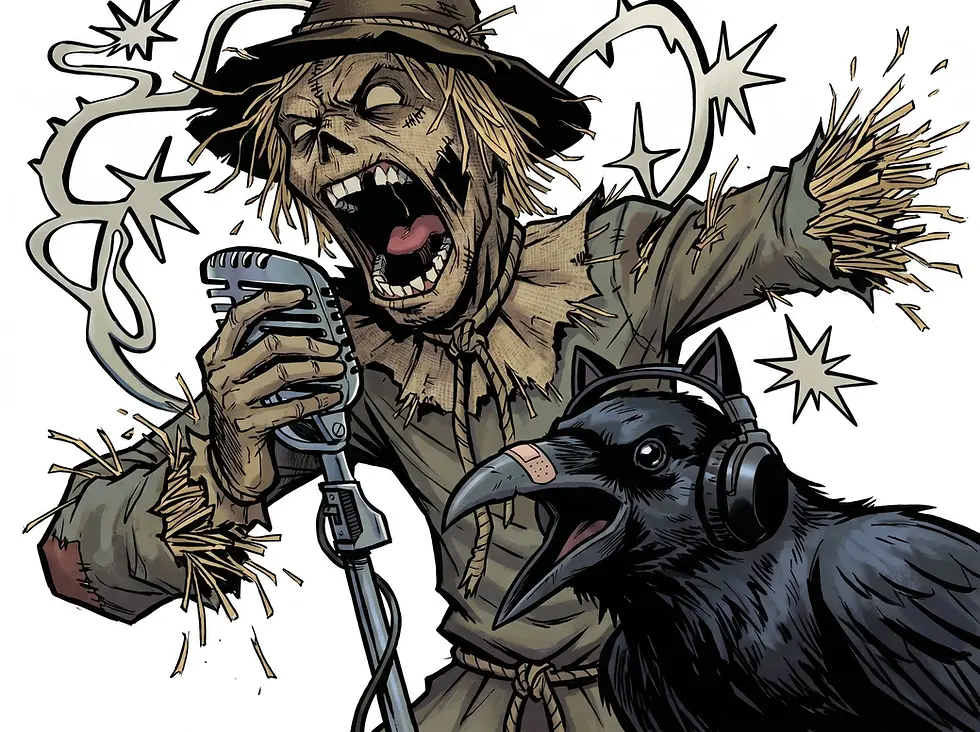
I once learned that other species, that is, other animals, can celebrate and mourn too. Do they honour the seasons like we try to? The days? Or are they so immersed in nature that they only know birth and death? Does a crow get scared of the scarecrow on Halloween? Does the crow recognise that the scarecrow's job is to play dress-up all year round? Or does the crow learn to recognise its enemy even on the days when it looks like everyone else?
Here, the scarecrow stands for the constructed ideas or figures of authority meant to control or frighten others, kept upright by tradition and expectation. The crows, on the other hand, are those who are meant to be kept in check, but who learn to see through disguises and repetition, but may not question old tricks and see humanity even in those meant to scare them.
Many times, I wonder whether the cost of believing in good and bad is being subjected to the mighty claws of evil itself. What price do you have to pay to believe in false concepts? What sacrifice and brutal betrayals are required? In case you haven't guessed it already, the world is full of a few scarecrows outnumbered by crows. So can they really be that scary? Can they really be that familiar? Can the scarecrow look like the crow itself? Can the scarecrow be scared itself?
There are many distractions in today's world. Humanity can agree that these connections, these nodes, this internet and this electricity may or may not be the worst creations of our time. Maybe the television and radios came too early. They should have waited for the Internet to exist first. And maybe the internet would not have been made to help scare crows communicate to those beyond their fellow scare crows. Maybe, maybe, maybe. Good or evil. Wrong. Evil.
There are many distractions in the world today, again. The crows can only see the skies below them, on their phones. Evil may be downwards facing. Maybe these scarecrows never consented to scaring crows in the first place. Maybe they are modern-day crucifixes. Put yourself together. Put yourself together. Pay attention to the most painful parts of reality. This feels amazing. Please pay attention. This is something so precise, something modern, electric. Stop. This is the pink path. This is the most realistic part of art. Pay attention. This is your attention. How much Crow? How much? How much more?
Last December, you probably danced with a scarecrow, and to their lyrics too. That. Dance, dance, dance. These categories of good and bad do not truly capture the complexity of people or the situations we face; often, what we call 'evil' is simply the side effect of upholding these simplified illusions. Our beliefs about morality can sometimes create more harm than clarity, vulnerable to manipulation and betrayal.
Dance, dance, dance.

